Zucchine ripiene di merluzzo Stuffed zucchini with cod

Cucinato da Barbara

Ebbene si, sono una di quelle brutte persone 😃 che accende il forno anche con queste temperature eccezionalmente calde, perchè trovo che sia molto comodo, non dovendo controllare ogni minuto la cottura. E non so rinunciare alla parmigiana di melanzane o alla parmigiana di zucchine, che richiedono il forno. In questo caso ho voluto provare questa ricetta di zucchine ripiene perché non sono un'amante del merluzzo, ma in questa preparazione invece mi è piaciuto molto. Provare... per credere!

English version below


Sapore: saporito e gustoso 
Complessità: nessuna difficoltà
Dove l’ho trovato? Trasmissione TV In cucina con Luca Pappagallo

Per realizzare le zucchine ripiene di merluzzo per sei persone vi occorreranno:
3 grosse zucchine
360g di filetti di merluzzo fresco o surgelato
300g di pomodori pelati frullati
120g di mollica di pane raffermo
50g di parmigiano grattugiato, oltre a quello occorrente per gratinare
1 uovo
qualche rametto di timo fresco
4 cucchiai di olio
sale e pepe

Cominciate con l'ammollare in semplice acqua la mollica di pane raffermo.

Prendete le zucchine, togliete le punte, tagliatele a metà così da ottenere sei cilindri, poi ancora a metà per il lungo: avrete quindi 12 barchette, a cui con l'aiuto di un coltello e di un cucchiaino, dovrete togliere i semi. Salate leggermente l'interno.

In una ciotola sminuzzate con le mani o con l'aiuto di un coltello i filetti di merluzzo. Mi raccomando di non usare un mixer, non dovete ottenere una crema. Fate inolte attenzione ad eliminare eventuali spine che dovessero ancora residuare.

Al merluzzo unite quindi un cucchiaio di pomodori pelati frullati, le foglioline di due o tre rametti di timo fresco, il parmigiano grattugiato, la mollica di pane ammollata e ben strizzata, sale e pepe.

Mescolate accuratamente, possibilmente con le mani e cercate una pirofila che contenga tutte le zucchine al suo interno.

Mettete un po' dei pelati frullati sul fondo, salate ed unite un goccio d'olio ed adagiate le barchette di zucchine riempite con il composto a base di merluzzo.

Se vi avanza un po' di composto, preparate delle polpettine e mettetele a cuocere insieme alle barchette di zucchine, io ne ho fatte tre oblunge, sono entrate giuste giuste nella pirofila!

Mettete il restante pomodoro su ogni barchetta, ancora qualche fogliolina di timo, spolverate con parmigiano e cuocete in forno statico a 200°C per 35-40 minuti, avendo l'accortezza di coprire con carta argentata nel caso servisse.

Pronti in tavola! 


Stuffed zucchini with cod

I am one of those people who turns on the oven even in these exceptionally hot temperatures, because I find it very convenient, not having to check the cooking every minute. And I can't give up eggplant parmesan or zucchini parmesan, which require the oven. In this case, I wanted to try this recipe for stuffed zucchini because I'm not a fan of cod, but I really liked it in this preparation. Try it... to believe it!

Taste: savory and tasty
Complexity: no difficulty
Where I found it: TV show In cucina con Luca Pappagallo

Ingredients:
3 large zucchini
360g fresh or frozen cod fillets
300g blended peeled tomatoes
120g stale bread crumbs
50g grated Parmesan cheese, plus more for topping
1 egg
a few sprigs of fresh thyme
4 tablespoons olive oil
salt and pepper

Instructions:
Start by soaking the stale bread crumbs in plain water.
Peel the zucchini, cut them in half to obtain six cylinders, and then in half lengthwise: you will then have 12 boats, to which you will need to remove the seeds with the help of a knife and a spoon. Season the inside lightly with salt.
In a bowl, crumble the cod fillets with your hands or with a knife. I recommend not using a blender, you don't want to get a cream. Also pay attention to remove any spines that may still be left.
Add to the cod one tablespoon of blended peeled tomatoes, the leaves of two or three sprigs of fresh thyme, grated Parmesan cheese, soaked and squeezed bread crumbs, salt, and pepper.
Mix thoroughly, preferably with your hands, and find a baking dish that will fit all the zucchini inside.
Put a little of the blended tomatoes on the bottom, season with salt and add a drop of oil, and place the zucchini boats filled with the cod mixture.
If you have some leftover mixture, make some meatballs and cook them together with the zucchini boats. I made three oblong ones, they fit just right in the baking dish!
Put the remaining tomato on each boat, a few more thyme leaves, sprinkle with Parmesan cheese, and bake in a static oven at 200°C for 35-40 minutes, making sure to cover with aluminum foil if necessary.
Ready to serve!

Tips:
If you like a bit of heat, add a pinch of red pepper flakes to the cod mixture.
For a more flavorful dish, use homemade tomato sauce.
Enjoy!

Babaganoush salsa di melanzane

Cucinato da Barbara
Insieme allo tzatziki è sicuramente la regina delle salse nelle mie tavole d'estate! English version below


Sapore: delicato e gustoso 
Complessità: nessuna difficoltà
Dove l’ho trovato? Trasmissione TV In cucina con Luca Pappagallo

Gli ingredienti necessari a preparare il Babaganoush sono:
1.500 gr grosse melanzane
3 cucchiai salsa Tahina
2 cucchiai abbondanti di yogurt greco
2 spicchi di aglio (io ho usato l'aglio fresco)
1/2 limone
1 mazzetto di prezzemolo
2-3 ciuffi di menta
1/2 cucchiano di peperoncino in polvere (opzionale)
sale
olio extravergine d'oliva


L'operazione fondamentale per realizzare questa salsa è "affumicare" le melanzane. L'ho virgolettato perché in casa questo procedimento si fa infilzandole con un coltello (praticate prima qualche taglio non profondo) e lasciandole una decina di minuti sul gas acceso al minimo e girandole di tanto in tanto.

Premuratevi di coprire il gas con un foglio di carta alluminio, per evitare che si sporchi eccessivamente.

Disporre quindi le melanzane in una teglia ricoperta con carta forno e cuocetele in forno statico a 200°C per 50-60'.

Lasciate intiepidire, spellatele, conditele con il sale e lasciatele a perdere acqua su un colino per 30 minuti circa.

Trasferire in un mixer e unite la menta, il prezzemolo, aglio premuto, 1/2 cucchiaino di peperoncino in polvere, la tahina, lo yogurt, il succo del limone. Mixate il necessario ed assaggiate, per poter eventualmente aggiungere sale.

Versate in una ciotola e condite con un filo d'olio extravergine d'oliva.

Pronti in tavola!

Babaganoush
This is a delicious and versatile Middle Eastern dip that is perfect for parties or gatherings. It is made with roasted eggplants, tahini, yogurt, garlic, lemon juice, and herbs.

Taste: Delicate and flavorful
Complexity: Easy
Where I found it:TV show In cucina con Luca Pappagallo

Ingredients:
1.5 kg large eggplants
3 tablespoons tahini
2 heaping tablespoons Greek yogurt
2 garlic cloves (I used fresh garlic)
1/2 lemon
1 bunch parsley
2-3 sprigs of mint
1/2 teaspoon chili powder (optional)
Salt
Extra-virgin olive oil

Instructions:
To smoke the eggplants, prick them with a knife and cook them over low heat on the stovetop for about 10 minutes, turning them occasionally.

Cover the stovetop with aluminum foil to prevent it from getting dirty.

Place the eggplants in a baking dish lined with parchment paper and bake in a preheated oven at 200°C for 50-60 minutes.

Let the eggplants cool slightly, peel them, and season with salt.

Place the eggplants in a blender and add the mint, parsley, garlic, chili powder, tahini, yogurt, and lemon juice.

Blend until smooth and season with salt to taste.

Pour the babaganoush into a bowl and drizzle with olive oil.

Serve and enjoy!

Tips:
For a spicier babaganoush, add more chili powder.
For a smoother babaganoush, peel the eggplants before roasting them.
Serve babaganoush with pita bread, vegetables, or crackers.


Risotto con gli asparagi Risotto with Asparagus

Cucinato da Barbara

Avevo già pubblicato in passato la ricetta di risotto con gli asparagi, poi ho provato quella del Cucchiaio d'Argento e non potevo mancare di riportarvi la sua bontà, oltrechè la semplicità di realizzazione! English version below


Sapore: delicato e gustoso 
Complessità: nessuna difficoltà
Dove l’ho trovato? Il Cucchiaio d'Argento

Per realizzare il risotto agli asparagi per quattro persone vi occorreranno: 
350g di riso 
400g di asparagi medio/grossi già lavati accuratamente
70 burro
brodo vegetale che sia stato salato
olio
sale
grana padano grattugiato

Come vi dicevo la ricetta è abbastanza semplice, ma richiede alcuni passaggi e cotture diverse.
Si comincia con togliere la base più coriacea degli asparagi, tagliandola con un coltello, poi con un pelapatate posizionatevi poco sotto la punta e rimuovete la parte esterna più dura e filamentosa. 

Tagliate la punta e mettetela da parte.

Cuocete a vapore il resto dell'asparago per poco meno di dieci minuti e conservate l'acqua di cottura. Lasciateli intiepidire e tagliateli a rondelle.

Tagliate le punte a metà per il lungo e rosolatele brevemente in padella con poco olio, salate e conservate.

In un largo tegame, sciogliete la metà del burro, unite il riso, fatelo tostare leggermente, poi unite l'acqua di cottura e gli asparagi tagliati a rondelle e portate a cottura unendo il brodo vegetale già salato.

Alla fine della cottura unite anche le punte di asparago cotte in padella e mantecate con il restante burro.

Spegnete il fuoco e sempre mescolando unite qualche cucchiaio di grana grattugiato.

Pronti in tavola!

Risotto with Asparagus

This is a delicious and easy-to-make risotto that is perfect for a springtime meal. It is made with asparagus, rice, butter, broth, and Parmesan cheese.

Taste: Delicate and flavorful
Complexity: Easy
Where found: Website Il Cucchiaio d'Argento

Ingredients:

350g Carnaroli rice
400g asparagus, trimmed
70g butter
1.5L vegetable broth, heated
1 tablespoon olive oil
Salt
Parmesan cheese, grated

Instructions:
Trim the asparagus by cutting off the tough ends. Using a vegetable peeler, peel the stalks starting just below the tips.
Cut the asparagus tips into 1-inch pieces and set aside.
Steam the remaining asparagus for 8-10 minutes, or until tender.
Reserve the asparagus cooking water.
In a large saucepan, melt half of the butter over medium heat. Add the rice and cook, stirring constantly, for 1 minute.
Add the asparagus cooking water and the asparagus pieces.
Cook, stirring constantly, until the rice is al dente, about 20 minutes.
Remove from the heat and stir in the remaining butter, the asparagus tips, and salt to taste.
Garnish with Parmesan cheese and serve immediately.

Tips:
For a more flavorful risotto, use homemade vegetable broth.
If you don't have a steamer, you can cook the asparagus in a large pot of boiling water for 5-7 minutes, or until tender.
If you don't have Carnaroli rice, you can use another short-grain rice, such as Arborio or Vialone Nano.

Cosciotto di agnello al limone Lemon Lamb Roast

Cucinato da Barbara

La ricetta è della mamma di mio marito, un po' modificata in relazione alle erbe che aromatizzano questo gustoso piatto. Quello che non può mancare è invece il limone, se avete la fortuna di trovarlo, lo sfusato amalfitano è quello che meglio si abbina al piatto! English version below

Sapore: gustosa e saporitissima
Complessità: nessuna difficoltà
Dove l’ho trovato? ricetta di famiglia

Per realizzare l'arrosto di cosciotto di agnello al limone vi occorreranno: 
1 cosciotto di agnello
la buccia di un limone non trattato
timo, erba cipollina, aghi di rosmarino, origano fresco
2 spicchi di aglio fresco
sale, pepe
olio extravergine d'oliva
vino bianco secco

Cominciate con il trattare il cosciotto di agnello incidendolo in più punti.
Tritate al coltello la buccia del limone, le foglioline di timo, aghi di rosmarino, foglie di origano e gli spicchi d'aglio. Unite anche l'erba cipollina tagliata con le forbici.
Aromatizzate con sale e pepe il cosciotto di agnello, inserite il trito aromatico nelle incisioni praticate precedentemente e su tutta la carne e ponetelo in una pirofila oleata.
Aggiungere olio, coprire con carta forno e cuocere a 180°C per circa due ore.
Dopo un'ora, togliere la carta da forno, unire il vino, sfumare e portare a cottura; di tanto in tanto con un cucchiaio raccogliete il sughetto e spargetelo sul cosciotto di agnello.
Potete accompagnate con patate arrosto.
Pronti in tavola!

Lemon Lamb Roast
This is a delicious and flavorful lamb roast that is perfect for a special occasion. It is made with lamb, lemon, herbs, and wine.

Taste: Tasty and flavorful
Complexity: Easy
Where did I find it: Family recipe

Ingredients:
1 leg of lamb
Zest of 1 unwaxed lemon
Thyme, chives, rosemary, oregano, 2 cloves of garlic
Salt and pepper
Extra virgin olive oil
Dry white wine

Instructions:
Preheat the oven to 350°F (180°C).
Score the lamb in several places.
In a small bowl, combine the lemon zest, thyme, chives, rosemary, oregano, and garlic.
Season the lamb with salt and pepper.
Insert the herb mixture into the scored areas of the lamb.
Place the lamb in a greased baking dish.
Drizzle with olive oil.
Cover with parchment paper and bake for 1 hour.
Remove the parchment paper, add the wine, and bake for an additional hour, or until the lamb is cooked through.
Baste the lamb with the pan juices every 20 minutes.
Serve with roasted potatoes.

Tips:
For a more flavorful roast, use a leg of lamb with a bone.
If you don't have chives, you can use green onions.

Padellata di salsiccia e fagioli One-Pot Sausage and Beans Recipe

Cucinato da Barbara
E' una ricetta adatta alle temperature di un autunno in cui le temperature sono scese quel tanto che basta per gradire un piatto caldo per cena e che è abbastanza veloce da preparare, l'ho sempre associata al piatto che Terence Hill mangia nel film Lo chiamavano Trinità. English version below


Sapore: gustosa e saporitissima
Complessità: nessuna difficoltà
Dove l’ho trovato? ricetta di famiglia


Per realizzare la padellata di salsiccia e fagioli per quattro persone vi occorreranno:

4 salsicce di maiale (io ho usato le salsicce di Sauris, voi scegliete le migliori che possiate trovare)
1 piccola cipolla rossa
300 ml di passata di pomodoro
salvia
500g di fagioli cannellini lessati
Olio, sale e pepe

Private le salsicce della pelle e dividetele in bocconi.
In un tegame riscaldate dell’olio extravergine d’oliva,  unite la cipolla tritata e i bocconcini di salsiccia e fate rosolare. 
Dopo qualche minuto aggiungere la passata di pomodoro, le foglie di salvia e cuocete a fuoco basso coperto per 20 minuti, aggiungendo eventualmente poca acqua calda.
Aggiungete quindi i fagioli cannellini lessati e fate cuocere ancora per 10 minuti.
Assaggiate prima di regolare con il sale ed aggiungete abbondante pepe.
Pronti in tavola!

One-Pot Sausage and Beans Recipe
This is a hearty and flavorful dish that is perfect for a cold autumn day, when the temperatures have just dropped enough to crave a warm dinner. It is also relatively quick and easy to make, and I have always associated it with the dish that Terence Hill eats in the movie "Lo chiamavano Trinità".

Taste: Tasty and flavorful
Complexity: Easy
Where I found it:Family recipe

Ingredients:
4 pork sausages (I used Sauris sausages, but you can use any good quality sausage)
1 small red onion
14.1 oz (300 ml) tomato sauce
Sage leaves
1 lb (500 g) cooked cannellini beans
Olive oil, salt, and pepper

Instructions:
Remove the casings from the sausages and break them into small pieces.
Heat olive oil in a large skillet over medium heat. Add the chopped onion and sausage pieces and cook until browned.
Add the tomato sauce, sage leaves, and cook for 20 minutes, covered, stirring occasionally. Add a little water if needed to prevent the sauce from sticking.
Add the cooked cannellini beans and cook for an additional 10 minutes.
Season with salt and pepper to taste.
Serve immediately.

Tips:
For a more flavorful dish, use homemade tomato sauce.
If you don't have sage, you can use any other herb you like, such as oregano or basil.
If you don't have cannellini beans, you can use any other type of bean, such as pinto beans or black beans.


Polenta concia con salumi

Cucinato da Barbara

Le basse temperature di questi giorni mi permettono di provare questa ricetta di Marco Valletta utilizzando la polenta taragna precotta che ho acquistato in Trentino questa estate. Il risultato? Da leccarsi i baffi!! English version below


Sapore: gustosa e saporitissima
Complessità: nessuna difficoltà
Dove l’ho trovato? Nuova Casa Alice, canale Alma TV 

Per realizzare questa squisita polenta concia con salumi vi occorreranno:

1/2 litro di latte intero
150 gr polenta gialla precotta (io polenta taragna precotta)
40 gr burro (non l'ho utilizzato)
80 gr pancetta
80 gr prosciutto cotto 
80 gr salame stagionato
200 gr gorgonzola
20 gr prezzemolo trito
100 gr panna
brodo vegetale
sale e pepe

Cominciate con controllare sulla confezione della polenta il liquido necessario per cuocerla e riscaldate insieme il latte con la quantità di brodo necessaria; se avete preparato un brodo vegetale senza sale aggiungetene un poco, ma senza eccedere, visto il gusto saporito degli altri ingredienti.

Quando il liquido giunge ad ebollizione, utilizzando una frusta aggiungere a poco a poco la polenta e portare a cottura tenendo il fuoco al minimo.

Tagliate a piccoli cubetti la pancetta, il salame ed il prosciutto cotto ed aggiungeteli alla polenta già cotta e mescolate. Aggiungete anche il gorgonzola a piccoli pezzi e fatelo sciogliere lentamente unendo anche la panna fresca e, se lo desiderate, il burro indicato.

Spegnete il fuoco, aggiungete il prezzemolo trito, il pepe, mescolate accuratamente e impiattate.

Pronti in tavola! 


Polenta and salami
The cold weather this week gives me the perfect opportunity to try Marco Valletta's recipe for Taragna polenta, using the precooked polenta I bought in Trentino this summer. The result? It's finger-licking good!

Taste: Tasty and flavorful
Complexity:Easy
Where I found it: Nuova Casa Alice, Alma TV channel

Ingredients:
1/2 liter whole milk
150 g pre-cooked yellow polenta (I used pre-cooked polenta taragna)
40 g butter (the original recipe called for it but I didn't use it)
80 g pancetta
80 g cooked ham
80 g seasoned salami
200 g gorgonzola
20 g chopped parsley
100 g cream
Vegetable broth
Salt and pepper

Instructions:
Check the polenta package for the amount of liquid needed to cook it. Heat the milk with the amount of vegetable broth needed. If you made a vegetable broth without salt, add a little, but don't overdo it, given the flavorful taste of the other ingredients.
When the liquid comes to a boil, add the polenta a little at a time, whisking constantly, and cook over low heat.
Cut the pancetta, salami, and cooked ham into small cubes and add them to the cooked polenta. Stir in the gorgonzola in small pieces and let it melt slowly, adding the cream and, if desired, the butter.
Turn off the heat, add the chopped parsley, pepper, stir well, and serve.

Tips:
For a more flavorful dish, use homemade vegetable broth.
If you don't have pancetta, you can use bacon or ham.
If you don't have gorgonzola, you can use any other blue cheese.

** Novità del blog: le informazioni nutrizionali **


Torta salata or Savory Bread Lasagna

Cucinato da Barbara
Il nome della ricetta di Fabio Campoli non era propriamente torta salata, quanto piuttosto lasagne di pane o zuppa svelta. Ma da quando l'ho vista realizzata, io la preparo per la mia schiscetta in ufficio, perché si può mangiare tiepida o a temperatura ambiente, è leggera eppure saporita, il giusto mix per continuare a lavorare senza essere troppo appensantiti, ma piacevolmente sazi.


Sapore: delicata, ma anche molto saporita
Complessità: nessuna difficoltà
Dove l’ho trovato? Il Circolo dei buongustai, canale Alma TV 

Per realizzare questa preparazione vi occorreranno:
300 gr di pane carasau
400 g di spinaci
1 spicchio di aglio
4 cucchiai di olio extravergine
1 peperoncino
1 litro di brodo vegetale con le sue verdure lesse (zucchine, carote, sedano, cipolla)
200 gr di formaggio pecorino grattugiato

In un largo tegame fate imbiondire l'aglio in 2 cucchiai di olio extravergine ed il peperoncino e cuocete gli spinaci. Salate, portate a cottura coperto e poi lasciate raffreddare.

Preparate il brodo vegetale facendo cuocere le verdure in acqua bollente salata, togliendole a mano a mano che saranno cotte e prima che si disfino completamente. Trasferite il brodo in una larga pirofila e tagliate a cubetti le verdure, lasciate poi intiepidire.

Mettete due cucchiai d'olio in una larga pirofila da forno, spennellando anche i bordi. Bagnate per alcuni secondi i pezzi di pane carasau nel brodo vegetale tiepido e fate un primo strato nella pirofila. Aggiungete quindi le verdure lesse cubettate e spolverate con due cucchiai di pecorino grattugiato.

Secondo strato di pane carasau bagnato nel brodo, questa volta inserite gli spinaci cotti e raffreddati, spolverate nuovamente di pecorino.

Continuate gli strati con questa alternanza di verdure cotte nel brodo e spinaci, completando con il pane carasau bagnato nel brodo, cuocete poi in forno a 160°C per una mezz'ora.

Lasciate raffreddare completamente e capovolgete la torta salata (non fate come la sottoscritta che aveva fretta) e portate in tavola.

Fabio Campoli nella sua ricetta anziché gli spinaci ha utilizzato i broccoletti e in questo caso li ha precedentemente lessati e poi ripassati in padella con aglio olio e peperoncino, sfumando anche con qualche cucchiaio di vino bianco.

Savory Bread Lasagna

This recipe is inspired by Chef Fabio Campoli's "quick soup" or "bread lasagna." It's a light and flavorful dish that's perfect for lunch or dinner. The bread soaks up the broth and vegetables, creating a delicious and satisfying meal.

Flavor: Mild, but also very flavorful
Difficulty: Very easy
Where did I find this? Il circolo dei buongustai, Alma TV channel

Ingredients:
300 grams (10.5 ounces) of Sardinian flatbread (pane carasau)
400 grams (14 ounces) of spinach
1 clove of garlic
4 tablespoons of extra virgin olive oil
1 chili pepper
1 liter (4 cups) of vegetable broth
200 grams (7 ounces) of grated pecorino cheese

Instructions:
In a large skillet, heat 2 tablespoons of olive oil over medium heat. Add the garlic and chili pepper and cook until fragrant, about 1 minute. Add the spinach and cook until wilted, about 5 minutes. Season with salt and pepper.
Make the vegetable broth by cooking the vegetables in boiling salted water until tender, about 10 minutes. Remove the vegetables from the broth and set aside.
Preheat the oven to 325 degrees Fahrenheit (160 degrees Celsius). Grease a 9x13 inch baking dish.
Dip the bread in the warm vegetable broth for a few seconds and layer it in the prepared baking dish. Top with the cooked vegetables and sprinkle with 2 tablespoons of pecorino cheese.
Repeat layers, ending with a layer of bread soaked in broth. Sprinkle with the remaining pecorino cheese.
Bake for 30 minutes, or until the cheese is melted and bubbly. Let cool completely before inverting onto a serving platter.

Tips

For a spicier lasagna, add more chili pepper to the spinach.
To make the lasagna ahead of time, assemble the dish and refrigerate for up to 24 hours before baking.


Crema di pecorino di Enzo Raspolli or Pecorino cream recipe

Cucinato da Barbara

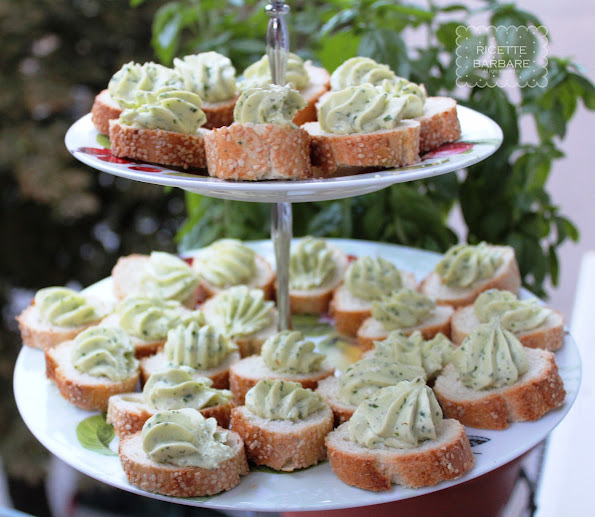
Sono passati tanti anni da quel lontano 2004 eppure il forum della Cucina Italiana continua ad essere presente sulla mia tavola con la crema di pecorino di Enzo Raspolli che non manca mai nei miei buffet o tra i miei antipasti: scegliete voi se preparare una ciotola da cui ogni commensale si servirà (con abbondanza!!) oppure se preparare già dei crostini. Sappiate che in ogni caso finirà in un baleno, per quanto è buona! 

English version below

Sapore: gusto deciso e molto gustoso, una vera bontà.
Complessità: nessuna difficoltà.
Dove l’ho trovato? Forum Cucina Italiana anno 2004.

E’ un copia ed incolla di quanto aveva scritto Enzo, quindi… riporto anche i suoi commenti!

Siccome l'ho pubblicata due o tre volte e vado sempre ad occhio non vorrei che qualcuno confrontasse le varie versioni della crema di pecorino e mi sbugiardasse di fronte all'orbe telematico. Comunque è una vera ricetta senese del 400 anche se allora veniva fatta, ovviamente, nel mortaio e non con il frullatore come si fa oggi.

Ingredienti
circa 200 gr di pecorino semistagionato
un uovo sodo
un mazzetto di prezzemolo
10 foglie di basilico
olio extravergine d’oliva
sale e pepe

Preparazione
Si usi il pecorino abbastanza fresco e per 2-3 etti di questo di faccia rassodare un uovo.

Poi si metta nel frullatore del prezzemolo fresco, del basilico se c’è, una puntina di peperoncino e si frulli insieme al formaggio. Quando le verdure saranno ben amalgamate si aggiunga il torlo dell’uovo sodo e, continuando a frullare, 4-6 cucchiai di buon olio extravergine di oliva.

Se tutto va bene il composto impazzisce e si vedranno dei grumi di formaggio separati dall’olio. Benissimo.

Aggiungete anche il chiaro dell’uovo sodo e continuate a frullare e poi aggiungete dell’acqua fredda a cucchiai  e vedrete il miracolo.

Quando ormai siete per buttare via tutto il composto si rassoda improvvisamente ed anzi tende a diventare fin troppo duro tant’è che dovrete aggiungere acqua fino a portarlo alla consistenza della Nutella.

Se invece il composto non impazzisce peggio per voi e vi verrà una crema di pecorino “normale”. In ultimo aggiungete un poco di sale, se manca.

Sempre dal Forum della Cucina Italiana di quell'anno, Enzo ci ha regalato il paté di fegatini, che faccio con la sua ricetta da tantissimi anni e, come questa crema di pecorino, trovo sia semplicemente fantastico! Presto sulla tavola di Ricette Barbare!

The pecorino cream recipe by Enzo Raspolli is a classic Tuscan recipe that is always present on my table, at buffets or as an appetizer. You can choose to prepare a bowl from which each guest can serve themselves (with plenty!!) or prepare crostini already. In any case, it will be gone in a flash, because it is too good!


Taste: strong and very tasty, a real treat.
Complexity: no difficulty.
Where did I find it? Italian Cooking Forum, 2004.

This is a classic Tuscan recipe for pecorino cream, which is a delicious and versatile appetizer or snack. The cream is made with pecorino cheese, eggs, herbs, and olive oil. It can be served on crostini, crackers, or breadsticks, or it can be used as a dip for vegetables or fruit.

Ingredients:
200 grams (7 ounces) pecorino cheese, semi-aged
1 hard-boiled egg
1 bunch parsley
10 basil leaves
1/4 teaspoon red pepper flakes
4-6 tablespoons extra-virgin olive oil
Salt and pepper to taste

Instructions:
In a blender, combine the parsley, basil, red pepper flakes, and pecorino cheese. Add the hard-boiled egg yolk and 4-6 tablespoons of olive oil. Blend until smooth. Add the hard-boiled egg white and blend until combined.
With the blender running, slowly add a few tablespoons of cold water at a time until the cream reaches the desired consistency. Season with salt and pepper to taste.
"Impazzisce" is an Italian word that means "to go crazy" or "to foam up." In this context, it refers to the process of adding olive oil to the cheese mixture, which causes the cheese to separate into small clumps.
"Rassoda" is an Italian word that means "to solidify" or "to harden." In this context, it refers to the process of adding cold water to the cheese mixture, which causes the cream to thicken.

Tips:
Use a good quality pecorino cheese for the best flavor.
To make the cream ahead of time, store it in an airtight container in the refrigerator for up to 3 days.

Pasta melanzane e pesce spada or Pasta with eggplant and swordfish

Cucinato da Barbara
Inizialmente ho considerato questa gustosa calamarata di melanzane e pesce spada un ricco primo piatto, ma dopo averlo fatto varie volte ho visto che è praticamente un perfetto piatto unico, accompagnatelo da una fresca insalata e da un bel frutto e non avrete bisogno d'altro!

English version below


Sapore: gusto deciso e molto gustoso, una vera bontà.
Complessità: nessuna difficoltà.
Dove l’ho trovato? Trasmissione televisiva Giovani nonne con Vittoria de Nitis.


Per realizzare questa pasta con melanzane e pesce spada avrete bisogno di:
320 g di pasta formato calamarata o altra pasta corta a vostro gusto
300 g di pesce spada in fette spesse
200 g di pomodorini datterini gialli
50 ml di vino bianco secco
300 g di melanzane
1 spicchio di aglio
10 g pinoli
Sale e pepe
Basilico
Olio per friggere (io mi trovo bene con olio di arachidi)
Olio extravergine d’oliva

Tagliate il trancio di pesce spada in dadini e rosolatelo in olio e aglio. Aggiungete delle foglie di basilico, poi sfumate con ½ bicchiere di vino bianco. Unire i pomodorini datterini tagliati in 4 (ho dimenticato nel fare la spesa che Vittoria indicava di utilizzare i datterini gialli, quindi...), aggiungete altro basilico, salate e portate a cottura, aggiungendo se dovesse servire qualche cucchiaio d’acqua calda. Completate con una macinata di pepe.

Tagliate a cubetti le melanzane e friggetele, scolatele su carta assorbente e salatele.

Cuocete la pasta secondo i tempi indicati nella confezione, scolatela nella padella con il pesce spada e mantecate. Spegnete il fuoco, unite quindi le melanzane, i pinoli debitamente tostati in padella e altro basilico fresco.

Pronti in tavola!

Pasta with Eggplant and Swordfish
This is a delicious and hearty pasta dish that is perfect for a special occasion. The pasta is cooked in a sauce made with swordfish, eggplant, tomatoes, and basil. The dish is then topped with fried eggplant and pine nuts.

Flavor: a strong and very tasty taste, a real treat.
Complexity: no difficulty.
Where did I find it? Television show "Giovani nonne" with Vittoria de Nitis.

Ingredients:
320 grams (11.3 ounces) calamarata pasta or other short pasta of your choice
300 grams (10.6 ounces) swordfish, cut into thick slices
200 grams (7.1 ounces) yellow cherry tomatoes
50 milliliters (1.7 ounces) dry white wine
300 grams (10.6 ounces) eggplant
1 clove garlic
10 grams (0.35 ounces) pine nuts
Salt and pepper to taste
Basil
Oil for frying (I use peanut oil)
Extra virgin olive oil

Instructions:
Heat olive oil in a large skillet over medium heat. Add the garlic and cook for 1 minute, or until fragrant. Add the swordfish and cook for 2-3 minutes per side, or until browned. Add the tomatoes, basil, salt, and pepper. Bring to a simmer and cook for 5-7 minutes, or until the tomatoes are softened.
Meanwhile, cut the eggplant into cubes. Heat oil for frying in a separate skillet over medium heat. Fry the eggplant for 2-3 minutes per side, or until golden brown. Drain on paper towels.
Cook the pasta according to the package directions.
Drain the pasta and add it to the skillet with the swordfish sauce. Stir to combine. Add the fried eggplant, pine nuts, and more basil. Serve immediately.

Tips:
For the best results, use fresh swordfish.
If you don't have yellow cherry tomatoes, you can use regular cherry tomatoes or grape tomatoes.

Tegamata di cavoli or Cabbage sauté

Cucinato da Barbara

Ho sempre amato tutti i cavoli, nel mio blog le ricette per prepararli spaziano dalla classica insalata di rinforzo al cavolo rosso brasato, dalla padellata di salsiccia con cavolo cappuccio alla pasta con il cavolfiore, dalle tradizionali frittelle con i broccoli, ai burger con cimette di cavolfiore, dallo sformato con cavolfiori alla pasta con broccolo romanesco, solo per citarne alcune e se avete pazienza ne trovate davvero per tutti i gusti. Avevo però un problema: come cuocio il cavolo senza che la cucina abbia quell'odore caratteristico nonostante una cappa aspirante di notevole dimensione? E' venuto in mio soccorso Dario Bressanini ed il suo ultimo libro La scienza delle verdure. English version below


Sapore: buonissimi sia caldi, che tiepidi o a temperatura ambiente
Complessità: se avete un microonde niente di più facile
Dove l’ho trovato? Idea tratta dal libro La scienza delle verdure di Dario Bressanini

Dunque dicevamo... come risolvere il problema dell'odore di cavolo che invade la cucina ogni volta che lo preparate? Con il forno a microonde! Basta mettere l'ortaggio, tagliato in pezzi grandi qualche centimetro, in una ciotola di plastica adatta al microonde, aggiungere un cucchiaio d'acqua, coprire con pellicola per alimenti specifica per questo uso oppure usate l'apposito coperchio e accendete il vostro apparecchio alla massima potenza. Il tempo dipende dal vostro microonde, dal peso dell'ortaggio e dal grado di cottura desiderata, non vi resta che sperimentare, partendo da pochi minuti e poi replicando fino a portare a completa cottura.

Il vantaggio non è solo quello di avere una verdura cotta senza alcun odore e senza sporcare tante stoviglie, ma anche quello di non inzuppare l'ortaggio di acqua, così che mantenga una consistenza più croccante: le sostante aromatiche e quelle nutrienti non si disperdono nell'acqua di cottura, come avviene nella bollitura tradizionale!


Gli ingredienti per realizzare questa tegamata sceglieteli in una o tante varietà: io ho cotto separatamente al microonde cavolfiore bianco, cavolfiore viola, cavoletti di Bruxelles, cime di broccolo e kale o cavolo riccio, poi li ho riuniti in un tegame aggiungendo olio, aglio rosolato, peperoncino e alici sott'olio, ne è uscito un piatto saporito, gustoso e davvero profumato, che aspettate a provarlo?

Cabbage sauté
I've always loved cabbages. In my blog, I have recipes for cabbage dishes ranging from classic rinforzo salad to braised red cabbage, from sausage and cabbage skillet to pasta with cauliflower, from traditional broccoli fritters to cauliflower burgers, from cauliflower casserole to pasta with Romanesco broccoli, just to name a few. But I had a problem: how do I cook cabbage without the kitchen smelling like cabbage, even with a large extractor hood?

Dario Bressanini and his latest book, La scienza delle verdure, came to my rescue.

So, how do you solve the problem of cabbage smell that invades the kitchen every time you cook it? With the microwave oven!

Just put the vegetable, cut into pieces a few centimeters in size, in a microwave-safe plastic bowl, add a tablespoon of water, cover with food wrap specifically designed for this use or use the appropriate lid, and turn on your appliance at maximum power. The cooking time depends on your microwave, the weight of the vegetable, and the desired degree of cooking. You just have to experiment, starting with a few minutes and then repeating until it is cooked through.

The advantage is not only that you have a cooked vegetable without any smell and without dirtying too many dishes, but also that the vegetable is not soaked in water, so it retains a more crunchy texture. The aromatic and nutrient substances are not lost in the cooking water, as happens with traditional boiling!

For this tegamata recipe, choose your ingredients in one or many varieties. I cooked cauliflower, purple cauliflower, Brussels sprouts, broccoli florets, and kale in the microwave separately, then I combined them in a pan with oil, sautéed garlic, chili pepper, and anchovies. The result was a flavorful, tasty, and truly fragrant dish. What are you waiting to try it?

Ingredients:
1 head of cauliflower, cut into florets
1/2 head of purple cauliflower, cut into florets
1 pound Brussels sprouts, halved
1 bunch broccoli florets
1 bunch kale, chopped
1/4 cup olive oil
2 cloves garlic, minced
1/2 teaspoon chili pepper flakes
1/4 cup anchovies, drained and chopped

Instructions:
Cook the cauliflower, purple cauliflower, Brussels sprouts, and broccoli florets in the microwave according to the instructions above.
Heat the olive oil in a large skillet over medium heat. Add the garlic and chili pepper flakes and cook for 1 minute, or until fragrant.
Add the cooked cabbage and kale to the skillet and stir to combine.
Cook for 5-7 minutes, or until heated through.
Stir in the anchovies and serve immediately.

Tips:
For a more flavorful dish, use a variety of cabbages.
If you don't have anchovies, you can substitute with capers or olives.
Serve with crusty bread  for a complete meal.